Table of Contents
ToggleUnderstanding Bonds vs. Stocks: Investment Options
Introduction
In the dynamic landscape of personal finance and investment management, bonds and stocks stand out as two of the most prominent asset classes. With their distinct characteristics, risks, and returns, understanding the intricacies of both investment options is essential for anyone looking to build a robust portfolio. As global markets fluctuate, investors find themselves at a crossroads, needing to determine which assets align with their financial goals and risk tolerance. This article delves into the nuanced differences between bonds and stocks, providing a comprehensive analysis that equips readers with the knowledge required to make informed investment decisions.
What Are Stocks?
Definition of Stocks
Stocks, also known as equities, represent ownership shares in a company. When an investor purchases a stock, they essentially acquire a stake in that company and partake in its growth and profit generation. Stocks are classified into two primary categories: common stocks and preferred stocks.
Common Stocks vs. Preferred Stocks
- Common Stocks: These stocks grant shareholders voting rights, allowing them to influence significant corporate decisions. However, common stockholders are last in line to receive any assets in the event of liquidation, making them more susceptible to losses.
- Preferred Stocks: These are a hybrid between stocks and bonds, offering a fixed dividend payout and priority over common stocks during liquidation. However, preferred shareholders typically do not possess voting rights.
Risks and Returns of Investing in Stocks
Investing in stocks has the potential for substantial returns. Over the long term, equities have historically outperformed other asset classes, including bonds. According to recent data from the S&P 500, the average annual return of stocks over the past 90 years has been approximately 10%. However, stocks come with inherent risks:
- Market Volatility: Stock prices can fluctuate greatly in response to market conditions, economic events, or company performance, leading to potential losses.
- Business Risks: The performance of individual stocks is closely tied to the success or failure of the underlying business.
What Are Bonds?
Definition of Bonds
Bonds are fixed-income securities that represent a loan made by the investor to a borrower, typically corporate or governmental. When you buy a bond, you’re essentially lending money in exchange for periodic interest payments, known as coupon payments, and the return of the bond’s face value when it matures.
Types of Bonds
- Government Bonds: Issued by national governments and considered low-risk. Examples include U.S. Treasury bonds.
- Corporate Bonds: Issued by corporations to raise capital. The risk varies based on the company’s creditworthiness.
- Municipal Bonds: Issued by local government entities, often offering tax advantages to investors.
Risks and Returns of Investing in Bonds
Bonds are generally seen as safer investments compared to stocks, particularly government bonds. However, they are not without risks. The average return on bonds typically ranges from 3% to 5% annually:
- Interest Rate Risk: Bond prices inversely correlate with interest rates; as rates rise, existing bond prices decline.
- Credit Risk: The risk that the bond issuer may be unable to fulfill their financial obligations can impact bond value.
Drawn Comparisons: Bonds vs. Stocks
Investment Horizon
- Stocks are suited for long-term investors willing to withstand market fluctuations for potentially higher returns.
- Bonds are ideal for those seeking stable, predictable income and lower risk, often appealing to retirees or conservative investors.
Liquidity
- Stocks generally have higher liquidity, allowing investors to buy and sell shares quickly on stock exchanges.
- Bonds may be less liquid, especially if they are not widely traded.
Tax Implications
- Stocks may incur capital gains taxes upon sale, and in some cases, dividends are taxable.
- Bonds may offer tax benefits, particularly municipal bonds, which can be exempt from federal taxes.
Performance Over Time
Historically, stocks have provided higher average returns than bonds. However, bonds offer stability in times of market volatility:
- Long-term Performance: Stocks can yield greater returns in bull markets, while bonds appeal in bear markets.
Analyzing Performance: Case Studies
Historical Performance of Stocks
Consider a case study of the S&P 500 Index, a benchmark for U.S. equities, which has cleared annual returns of around 10% over several decades. This index includes a diversified portfolio of large-cap companies, showcasing the growth of American businesses.
Historical Performance of Bonds
Contrast this with U.S. Treasury bonds, which have historically yielded around 2% to 4%. In contrast, corporate bonds yield higher returns relative to government bonds, reflecting the increased credit risk associated with corporate entities.
Practical Tips for Investing in Stocks and Bonds
Strategies for Investing in Stocks
- Diversification: Investing in a mix of sectors and industries minimizes risks associated with individual stock performance.
- Long-term Mindset: Embrace a buy-and-hold strategy, allowing stocks to fluctuate while benefiting from long-term growth.
- Regular Monitoring: Keep track of stock performance, economic indicators, and company announcements to make informed decisions.
Strategies for Investing in Bonds
- Laddered Bonds: This strategy involves purchasing bonds with various maturities to mitigate interest rate risk.
- Credit Research: Assess the creditworthiness of bond issuers to avoid defaults and enhance yield.
- Consider Tax Efficiency: Explore tax-exempt municipal bonds for capital preservation and tax benefits.
Audience Engagement Questions
To enrich our discussion, consider these questions:
- Are you currently investing in stocks, bonds, or both?
- What factors influence your investment choices in securities?
- How do fluctuations in global markets affect your investment strategy?
The Best Solution: Investment Management
For readers looking to further their investing acumen, exploring investment fund management companies and wealth management firms is beneficial. These entities specialize in managing a diversified portfolio of stocks and bonds tailored to individual investor profiles. Utilizing resources from top-ranked wealth management firms can enhance your investment strategies and outcomes.
Conclusion
Navigating the investment landscape can be complex. Understanding the essential differences between bonds and stocks allows investors to make informed decisions that align with their financial goals. Whether you prioritize growth or stability, both asset classes play crucial roles in a balanced investment strategy.
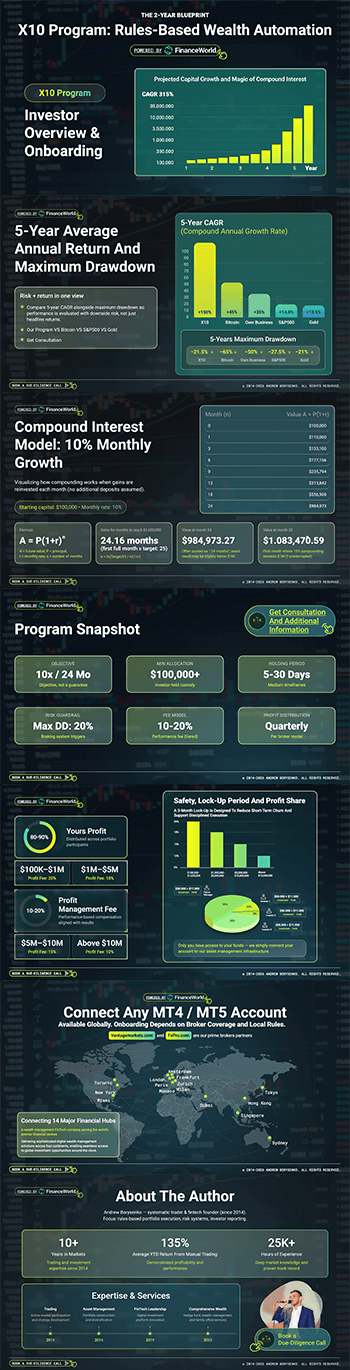
To explore further tools and resources related to trading signals, copy trading, or hedge fund opportunities, visit FinanceWorld.io. If you found this article insightful, please let us know your thoughts, and consider rating it! Your financial journey is just beginning.
This comprehensive comparison of Understanding Bonds vs. Stocks: Investment Options serves as a guide for both novice and seasoned investors, helping them build the best, most diversified portfolios possible.